

Hygiene & gum health
Professional cleaning, gum assessment and advice built around how you actually brush.
Gum disease is the largest cause of tooth loss in adults, and it is usually painless until it is well advanced. Regular hygiene appointments are the single most effective thing most people can do to keep their own teeth.
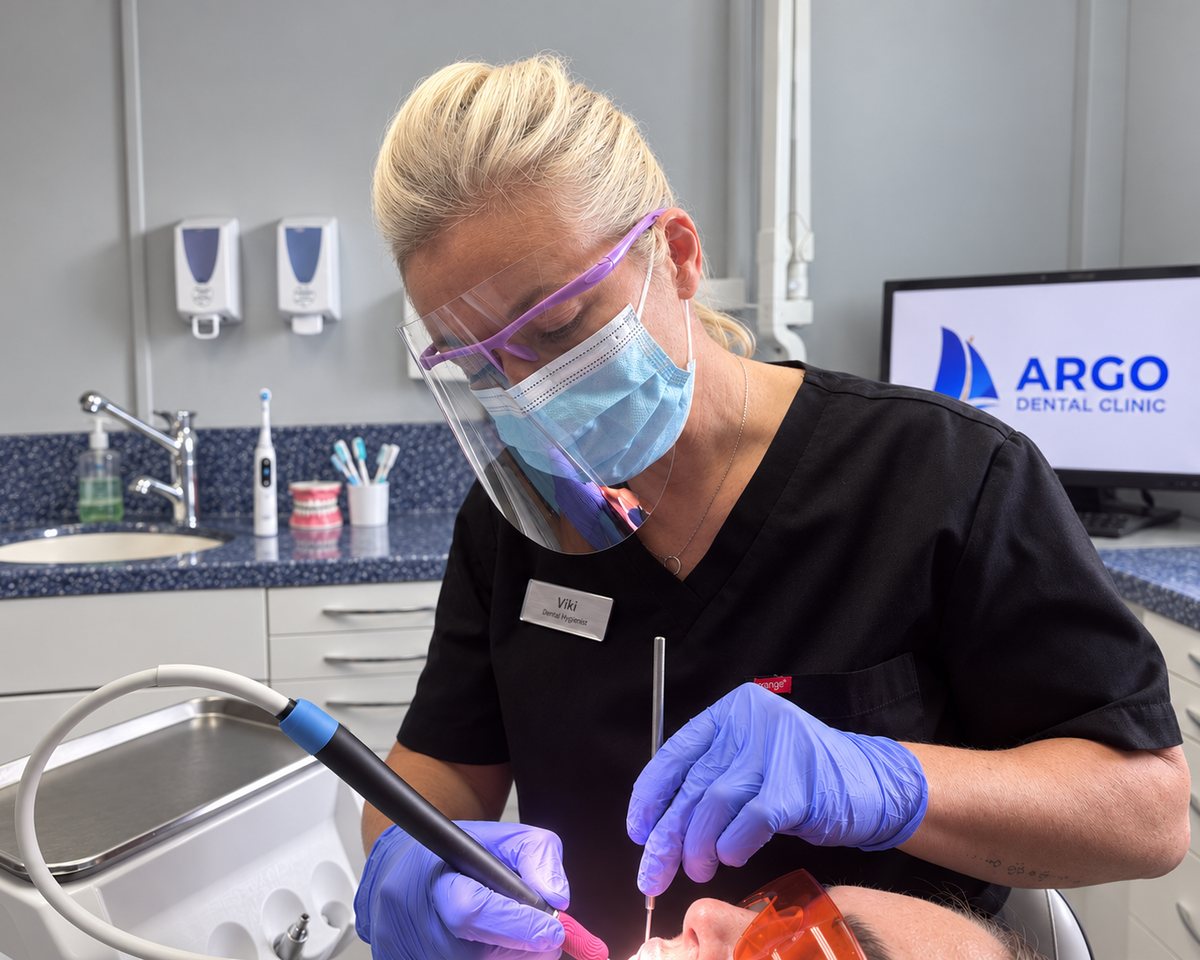
What a dental hygienist does
A dental hygienist is a dental professional registered with the General Dental Council, trained specifically in the treatment and prevention of gum disease.
Alongside scaling and polishing, your hygienist measures and records the health of your gums so changes can be tracked over time, and shows you what to do differently at home.
Scaling and polishing
Removing plaque, tartar and staining from the surfaces of the teeth.
Gum assessment
Measuring the extent of any gum disease and cleaning deposits from below the gum line.
Fissure sealants
Protecting the vulnerable grooves in back teeth, particularly in children.
Fluoride application
Strengthening enamel where there is a raised risk of decay.
X-rays
Taken when requested by a dentist, to support diagnosis.
Home care advice
Diet and brushing guidance built around how you actually clean your teeth.
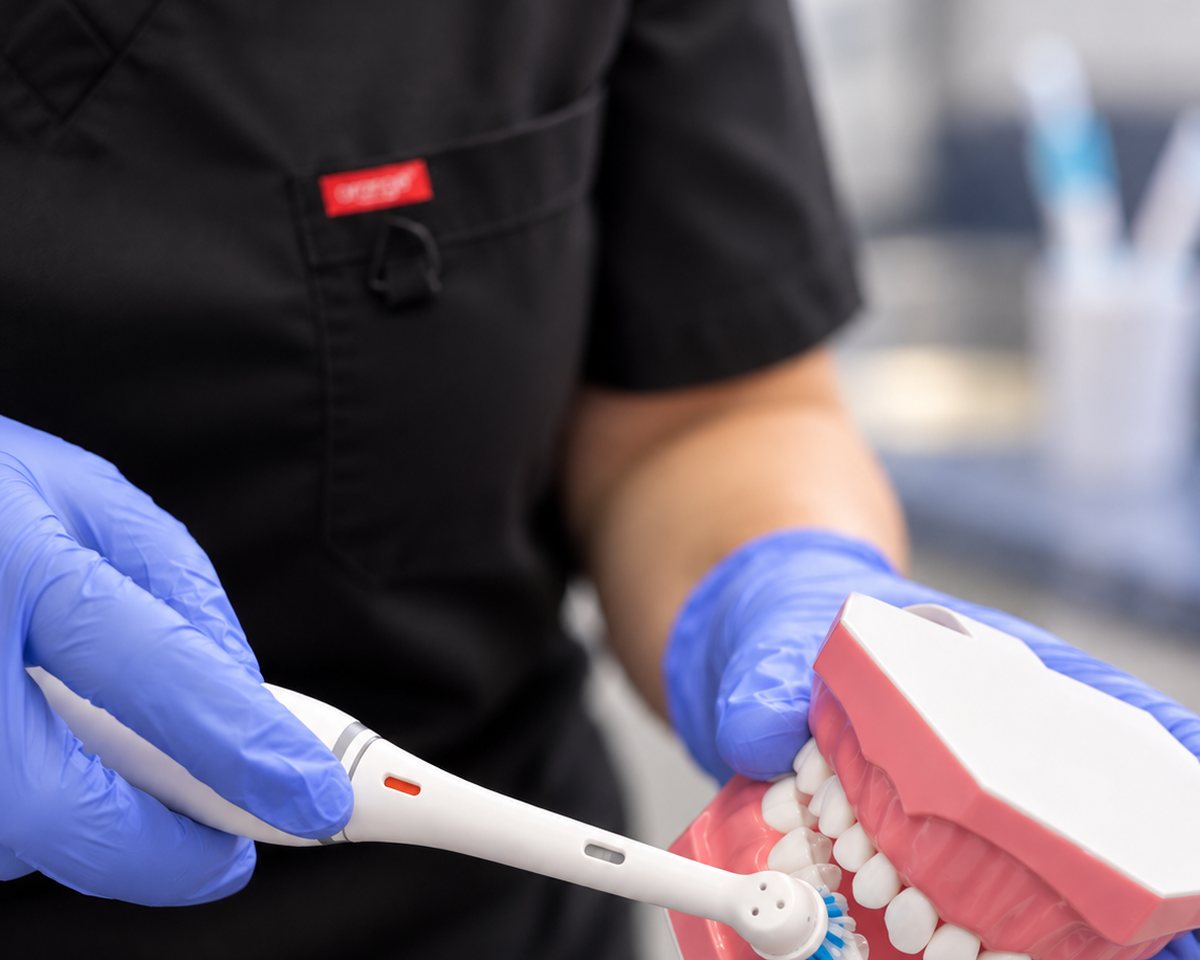
You can book directly, without seeing a dentist first
Some patients are referred to the hygienist by their dentist. Others book directly, which we call direct access, and that is open to people who are not registered with the practice at all.
So if you want a clean, or staining removed, you can simply book it.
- Direct access appointments available
- Open to non-registered patients
- Costs confirmed before you book
Not sure whether hygiene & gum health is right for you?
Book a consultation and we will assess your options honestly. If something simpler is the better answer for your case, we will tell you.
Common questions
Scaling and polishing is generally pain free, and your hygienist will do everything they can to keep it comfortable. If you do find it uncomfortable, a local anaesthetic can be used.
It varies. Some people benefit from a few weeks between appointments, others from three months, six months or annually. Your hygienist will tell you what they recommend at the end of each visit. We will not badger you about it, but the advice is there to help you keep your teeth.
It describes swelling, soreness or infection of the tissues that support your teeth, and it has been linked to other health problems including heart disease, stroke, diabetes and lung disease.
There are two main forms. Gingivitis is inflammation of the gums, usually noticed as bleeding when brushing. Left alone it can progress to periodontal disease, which affects the bone anchoring the teeth and can leave teeth loose or moving.
Plaque, the soft sticky film that builds up on teeth and gums. It is mostly bacteria, which feed on sugars and produce acid as a waste product. That acid dissolves minerals in the tooth and causes decay, while the plaque itself inflames and infects the gums. Left in place, plaque hardens into calculus, which is rough and attracts more plaque still.
It depends how much needs doing. We will always confirm the cost before the appointment is booked, never afterwards.
Other treatments
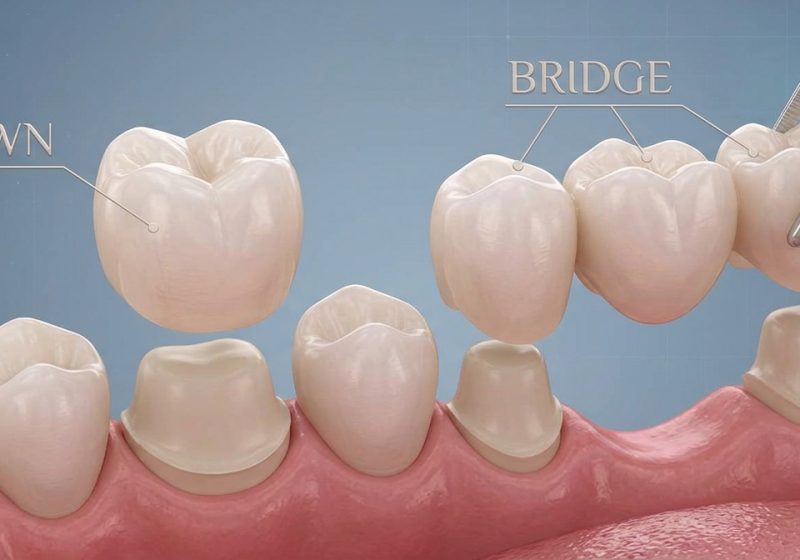
Crowns & bridges
Rebuilding a heavily damaged tooth, or replacing a missing one using the teeth either side.
Learn more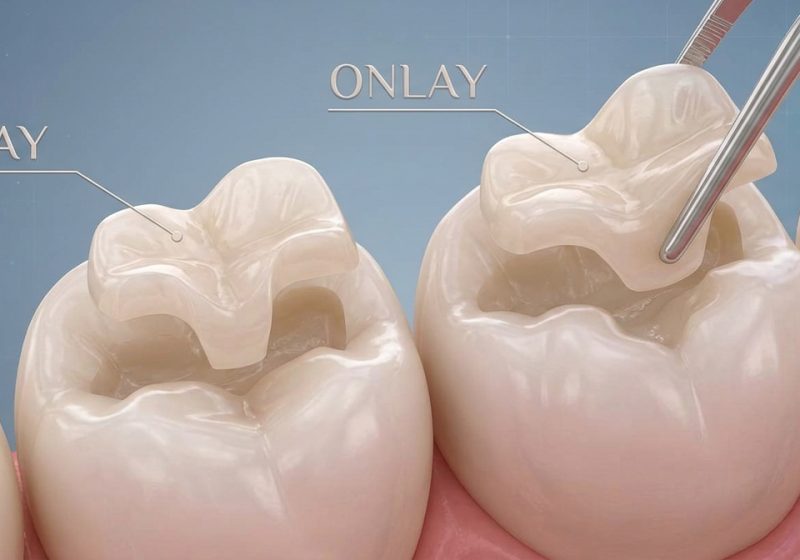
Inlays & onlays
A stronger, longer-lasting alternative to a large filling.
Learn more
Sedation
Gas and air sedation for adults and children, to make treatment comfortable without an escort or…
Learn more